
Hurungwe has been hurting.
Years of deforestation. Tobacco curing. Firewood harvesting. Drought. Soil erosion. The land has been tired, and the women who depend on it have felt that tiredness in their bodies.
Through support from the UNDP GEF Small Grants Programme, TaLI and the women of Bravo Village began a restoration journey that covers 50 hectares of land. Some of it is already visibly changing. The full ecological recovery will be realised once the biogas system becomes fully functional and pressure on firewood reduces significantly.
Restoration here is not a ceremony. It is daily work.
Fruit trees were planted. A community orchard was established. Woodlot management training was conducted. The Forestry Commission provided technical support and donated fruit trees. Women learned how to extract seeds, nurture seedlings, and protect young trees from livestock.
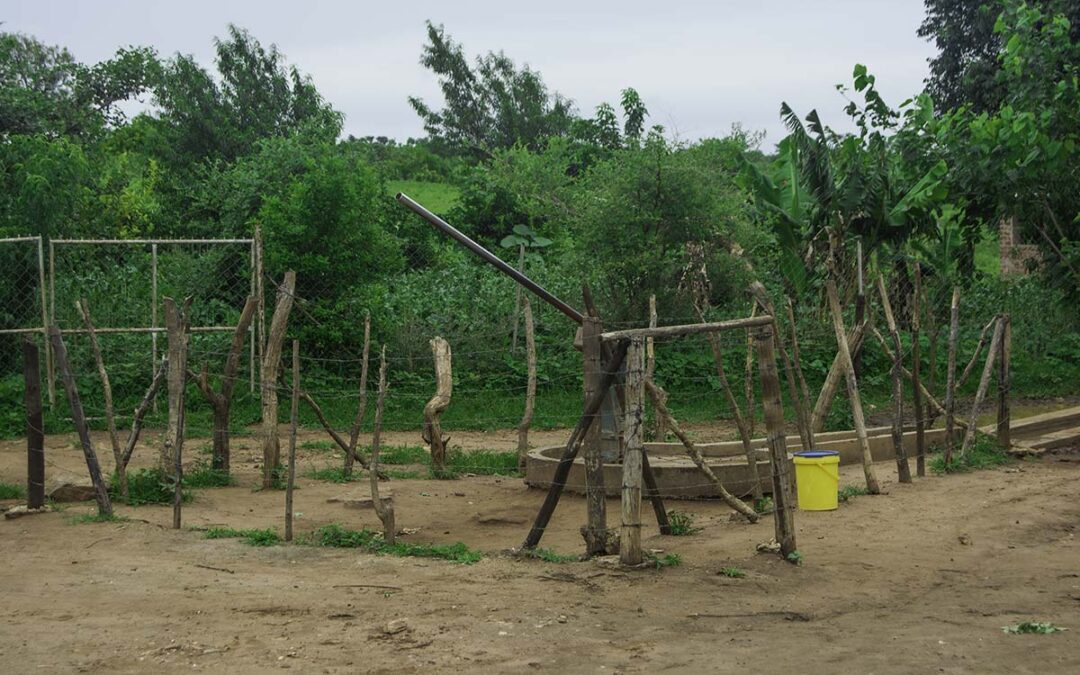
When fencing resources were not enough and livestock destroyed many of the initial trees, the women did not give up. They protected what remained. They converted the smaller fenced space into a nutritional garden. They adapted.
That garden now feeds families.
The vision is simple but powerful: when the biogas plant becomes fully operational, firewood dependence will reduce dramatically. Trees will no longer be cut at the same rate. Regeneration will accelerate. The 50 hectares will breathe again.
This is not just about hectares.
It is about a woman standing under a fruit tree she planted and saying, “This one is ours.”
Land restoration is slow. It requires patience. It requires technical support. It requires funding. But above all, it requires people who refuse to walk away from their land.